What Is a Freebie—and Why Your Business Should Have One
You may have heard business owners talking about freebies, lead magnets, opt-in gifts or free resources. Or this is a brand new…
You may have heard business owners talking about freebies, lead magnets, opt-in gifts or free resources.
Or this is a brand new term for you.
They all mean essentially the same thing: something useful that you give to a potential customer for free, in exchange for their email address.
You create something of value to your ideal customer, and you give it to them in exchange for their email address.
It might be a checklist, guide, printable, discount voucher, quiz, short video, template or mini training.
A freebie doesn’t need to be enormous or take you three months to create. In fact, the best freebies are often quite simple. Use AI to help you. They help a specific person solve one small problem—and give them a reason to discover more about your business.
Why would you give something away for free?
That is a fair question.
After all, we are trying to build profitable businesses, not spend our days creating things that we give away!
The purpose of a freebie is to introduce the right people to your business in exchange for their email address.
The reason is because selling to your email list MORE EFFECTIVE!
Why?
- Your email list knows and trusts you
- There is a higher open and click-through rate
- Delivers a higher ROI
Axis Intelligence reports for 2026:

Someone may see your post on Facebook or Instagram, think it looks interesting and then carry on scrolling. Within a few minutes, your business has disappeared beneath school photos, funny videos, breaking news and somebody’s dinner.
If that person downloads your freebie, however, you now have an opportunity to stay in touch—provided they have knowingly agreed to receive your emails.
Instead of hoping the algorithm shows them your next post, you can send something useful directly to their inbox.
Because, let’s be honest, relying entirely on the social-media algorithm is a little like inviting people to a party and then letting Facebook decide who receives the address.
Social-media followers and email subscribers are not the same
Social media is a wonderful way to help people discover your business, but you do not control the platform. Social is predominantly at the top of your sales or marketing funny. This is ONE way that people can find your business.
Your reach can change. Algorithms do change. Accounts can be restricted, hacked or lost. A platform that works beautifully for you today may work very differently a year from now.
And I’m guessing you don’t want to be spending hours and hours creating and scheduling out social media content.
It’s not the thing that is going to make you money.
BUT, your email list gives you a more direct connection with people who have chosen to hear from you.
That does not mean you should abandon social media. The two can work together:
- Someone discovers you on Facebook, Instagram, YouTube or Threads.
- They see a useful free resource.
- They enter their email address to receive it.
- You welcome them and continue sharing helpful information.
- When they need the product or service you provide, your business is far more likely to come to mind.
But remember that social media is not the only way your ideal customer can find your freebie. We will talk about that more another time.
A freebie is therefore not simply a “free thing.” It is the beginning of a relationship.
What could you offer as a freebie?
Your freebie should be connected to your business and useful to the kind of person you would eventually like to serve.

It’s not only available to people who have a digital business.
Think of all the emails that you receive. If you don’t believe me, go and look at your inbox now. Don’t worry, I’ll wait.
Don’t see anything? Check your promotions tab.
They’re there.
If you are wondering what you can create as your own valuable freebie that your ideal target customer would find valuable, here are a few examples:
If you are a photographer
You could offer:
- A family photo-session preparation checklist
- A guide to choosing outfits for a photoshoot
- Where to put your hands so you don’t look so awkward
If you are a baker, cake maker or party planner
You could create:
- A children’s party cake and treats planning checklist
- A guide to choosing the right cake size
- A party countdown planner
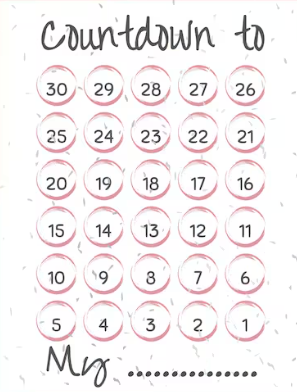
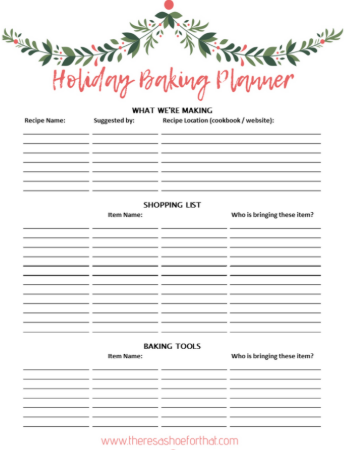
Two examples of freebies from other businesses
If you are a bookkeeper or accountant
You could offer:
- A monthly small-business finance checklist
- A guide to organising receipts
- A list of records every new business owner should keep
If you are a beauty therapist or hairstylist
Your freebie might be:
- A simple home skincare routine
- How and why you should use a primer
- Tips for keeping colour-treated hair healthy
If you sell handmade products
You could create:
- A gift guide for different occasions
- A care guide for your products
- A printable gift-planning list
- A first-order discount
If you are a coach or consultant
You could offer:
- A self-assessment quiz
- A short workbook
- A planning template
- A five-day email challenge
If you work in travel or accommodation
You might create:
- A weekend packing checklist
- A family guide to your destination
- A list of local places visitors often miss
- A child-friendly travel activity pack
If your business serves children or families
You could offer:
- A printable activity
- A party game
- A reading challenge
- A family organiser
- A holiday boredom-buster pack
For Kids Safari Club, my new digital products business I’ve started, I use printable activities to introduce families to Africa’s amazing wildlife through educational items, and it is screen-free fun the brand offers.
The freebie gives parents something useful immediately, while also allowing them to see whether Kids Safari Club is a good fit for their family.
A freebie does not (and should not) appeal to everyone.
This is important.
You do not need thousands of random people downloading your freebie simply because it is free.
You want the right people.
Imagine that you sell custom wedding stationery. A free household cleaning checklist might attract plenty of downloads, but those people are not necessarily planning a wedding or looking for stationery.
A wedding-planning timeline or invitation wording guide would attract fewer—but much more relevant—people.
A good freebie connects naturally to something you may eventually sell.
Ask yourself:
- Who do I want to attract?
- What small problem can I help them solve?
- What do they need before they are ready to buy from me?
- What useful information do I already share repeatedly?
- What would make someone think, “That would really help me”?
Your answers will usually point you towards a suitable freebie.
What makes a good freebie?
A useful freebie is:
Specific
“Everything You Need to Know About Business” is way too broad.
“A Simple Monthly Money Checklist for New Business Owners” is clear and manageable.
Easy to use
People should be able to understand what it is and how it will help them.
A one-page checklist that gets used can be more valuable than a 50-page ebook that gets saved to a downloads folder and never opened again.I have got plenty of these – they were too long and too slow in getting to the answer that I was looking for.
More pages does not mean more value!
Relevant to your paid offer
Your freebie should introduce people to the problem your business helps solve.
The next step after your freebie should be the next logical step that your customer will take.
For example, if you have a vegetable gardening business, your freebie might be a list of ‘ Five Tips to Successfully Grow Berries in Pots this Summer.”
Next, they will receive perhaps:
An eBook about preparing the soil (paid product)
A short online course (paid product)
Or an in-person workshop (paid product)

Ideally as a business owner, you will stack all of the above so you don’t just get paid once; your customer buys each product as they will all work together to lead them to the path of success.
Genuinely helpful
Free does not mean careless.
Your freebie is often someone’s first real experience of your business. It should demonstrate the quality, knowledge and care they can expect from you.
Quick to access
Once someone signs up, they should receive the freebie promptly, ideally through an automatic welcome email.
What happens after someone downloads it?
This is where many business owners stop.
They create a lovely freebie, collect a few email addresses—and then never email those people again.
I understand this because sending emails can feel intimidating, particularly when you have never done it before. You wonder what to say, how often should you say it, whether you are bothering people and whether anyone will read it.
But if someone has asked to receive your resource and agreed to hear from your business, they have already shown an interest.
You can follow up with:
- A warm three email, welcome series
- Helpful tips connected to the freebie
- Answers to frequently asked questions
- Stories from behind your business
- Customer experiences
- Invitations to events
- New products or services
- Occasional special offers
Not every email needs to sell something.
In fact, your emails should help people get to know you, understand what you offer and see why your business matters.
The goal is to build trust and work on your relationship.
Keep the first version simple
Please don’t convince yourself that you need a complicated funnel, 40-page ebook and twelve-part video series before you can start building an email list.
Choose one useful idea.
Create a clear, attractive resource.
Set up a simple sign-up page.
Write a welcome email.
Then begin.
You can improve it once you see what people are interested in and what questions they ask.
A finished one-page checklist is infinitely more useful than a magnificent 60-page guide that has been sitting half-completed in Canva since 2024.
Your freebie idea may be closer than you think
You don’t need to create a 50-page eBook or spend weeks designing something complicated.
Start with one small problem that you can help your ideal customer solve.
Think about the questions your customers ask you most often. Could one of your answers become a checklist, short guide, template, printable, quiz or video?
If you really don’t know, offer a discount code or coupon. In exchange for their email addy.
Your first freebie idea may already be hiding inside a question you answer every week.
For now, I would love to know:
What business do you have—and what useful freebie could you create for your ideal customer?
Share your idea in the comments below or on our Facebook Group. If you’re completely stuck, tell us what your business does and we can help you brainstorm.



Leave a Reply